Aeolian Islands
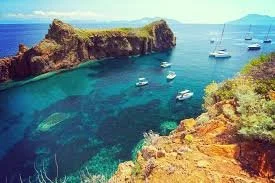
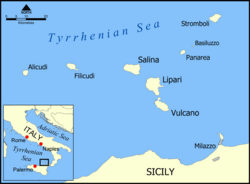
Rising from the Tyrrhenian Sea north of Sicily, the Aeolian Islands feel different from the rest of Italy — wilder, slower, more elemental. Life here is shaped by volcanoes, wind, sea, and isolation. The islands are beautiful in the obvious sense, with turquoise water and dramatic coastlines, but what makes them unforgettable is their atmosphere: quiet fishing harbors, black volcanic beaches, whitewashed villages, hidden coves, and the constant awareness that these islands were created by volcanic forces still active today.
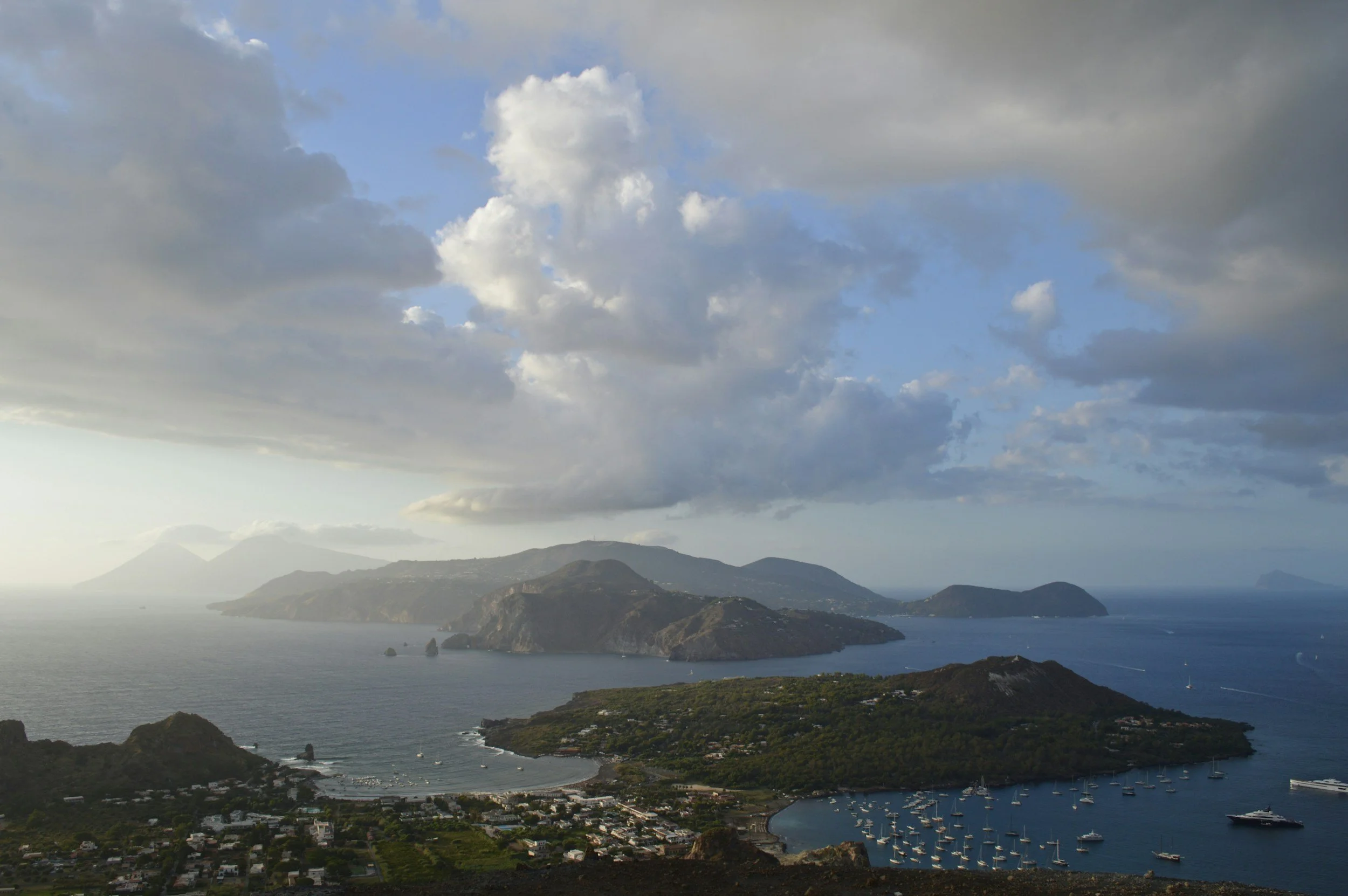
The archipelago consists of seven main islands, all volcanic in origin, and named after Aeolus, the god of wind in Greek mythology. For thousands of years, sailors crossing the Mediterranean feared and respected these islands. Ancient Greeks believed the winds themselves were controlled from here.
Despite their beauty, the Aeolian Islands have always required resilience. The terrain is rugged, fresh water was historically scarce, and life here could be difficult. Yet people stayed — building fishing villages, cultivating vines on steep volcanic slopes, harvesting capers, and creating a culture deeply tied to the sea.
Salina
Our home base is Salina, often considered the greenest and most elegant of the islands.
Unlike the harsher volcanic landscapes of some neighboring islands, Salina feels lush and fertile. Twin volcanic peaks rise above vineyards, olive groves, fig trees, and caper fields. The island is famous throughout Italy for its capers, which thrive in the volcanic soil and salty sea air. Many consider Salina’s capers among the best in the world.
Salina also produces excellent Malvasia wine, a sweet aromatic wine that has been made here for centuries. In the past, this wine was exported across Europe and helped sustain the islands economically. Even today, small vineyards climb steep terraces overlooking the sea, often tended by hand because the terrain is too difficult for machinery.
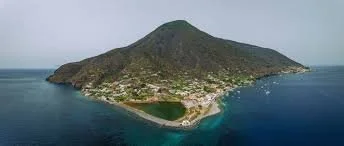
Life on Salina moves slowly. Small villages like Santa Marina Salina, Malfa, and Lingua feel intimate and relaxed, especially in the evenings when locals gather in piazzas and along the waterfront for aperitivo and dinner. The pace here encourages long lunches, afternoon swims, and late dinners that stretch well into the night.
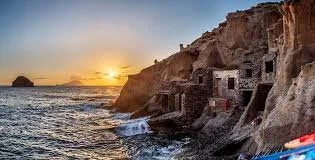
One of the island’s most famous cultural moments came through cinema. The beautiful beach at Pollara — surrounded by towering volcanic cliffs — became internationally known after appearing in Il Postino. The scenery perfectly captured the quiet melancholy and beauty of island life.
From Salina, each neighboring island reveals a different personality.
Panarea
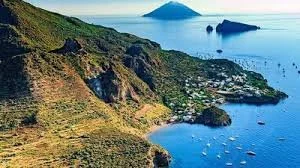
Panarea is the smallest and most glamorous of the Aeolian Islands.
Today, Panarea is known for chic boutiques, elegant terraces, luxury yachts, and stylish summer nightlife. During peak season, celebrities and wealthy Italians arrive by boat, and the island transforms into one of the Mediterranean’s most fashionable destinations.
But beneath that glamour, Panarea still retains the charm of a tiny volcanic island. There are no large roads, few cars, and many paths are still navigated on foot or by golf cart. Whitewashed houses covered in bougainvillea overlook the sea, creating the postcard-perfect image many people imagine when they think of the Mediterranean.
Panarea is also one of the oldest inhabited Aeolian islands. Archaeological remains suggest people lived here thousands of years ago, long before modern tourism arrived.
Stromboli
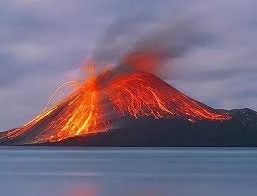
Then there is Stromboli — perhaps the most dramatic island of all.
Stromboli is dominated almost entirely by its volcano, one of the most active volcanoes on Earth. Unlike Etna, which can remain quiet for periods before larger eruptions, Stromboli erupts continuously in small bursts, often every few minutes. At night, glowing lava explosions can sometimes be seen from the sea, creating one of the most extraordinary natural spectacles in Europe.
Ancient sailors used Stromboli as a navigation point and called it the “Lighthouse of the Mediterranean.”
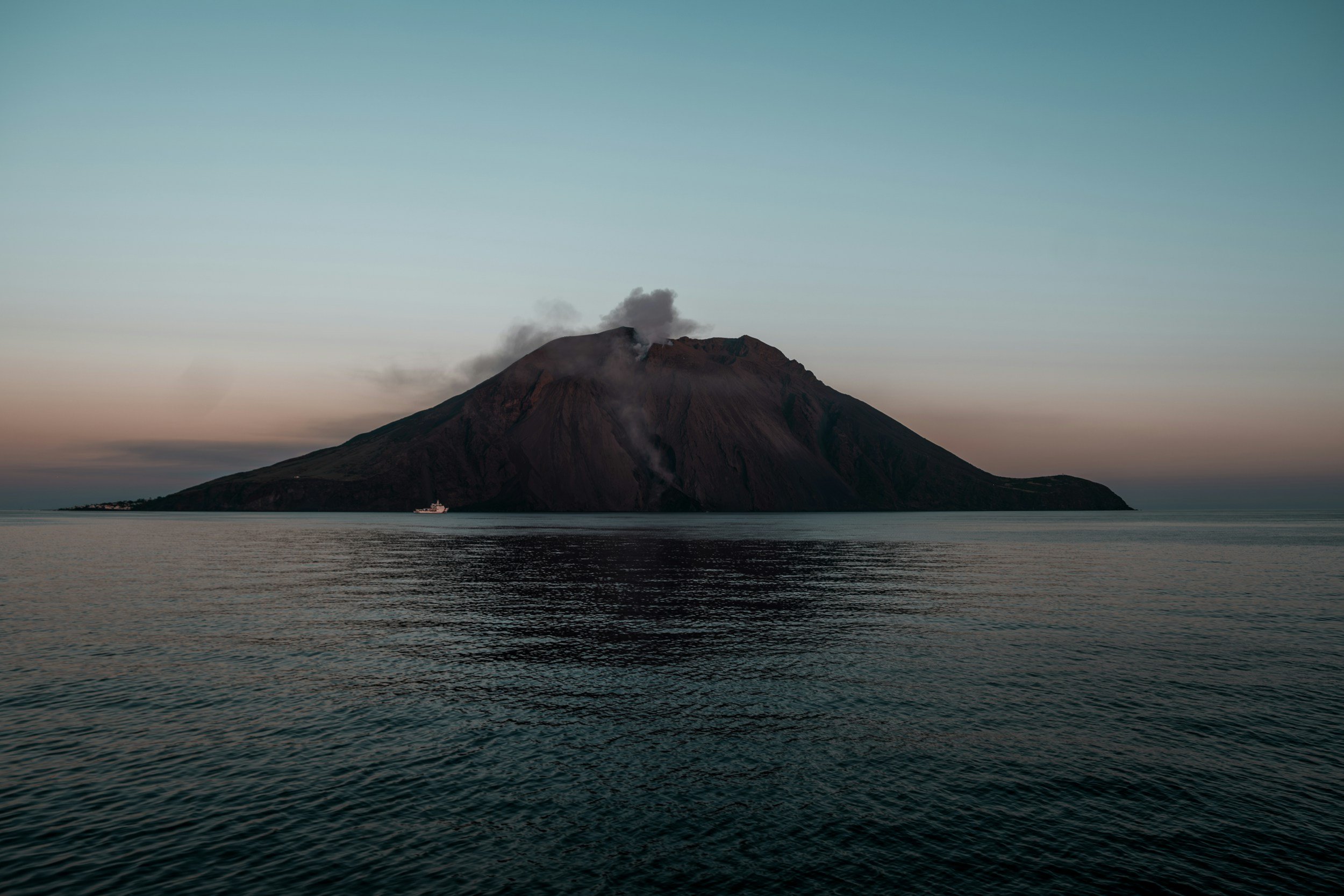
The volcano’s activity is usually relatively contained, but it constantly reminds everyone that the island is geologically alive. Black sand beaches, dark volcanic rock, and steep cliffs give Stromboli a raw and powerful atmosphere unlike anywhere else in Sicily.
The village itself remains surprisingly peaceful — white houses, narrow alleys, fishing boats, and cats sleeping in the sun beneath an active volcano.
Vulcano
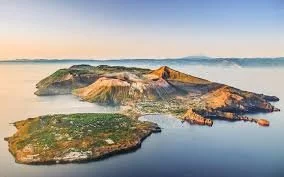
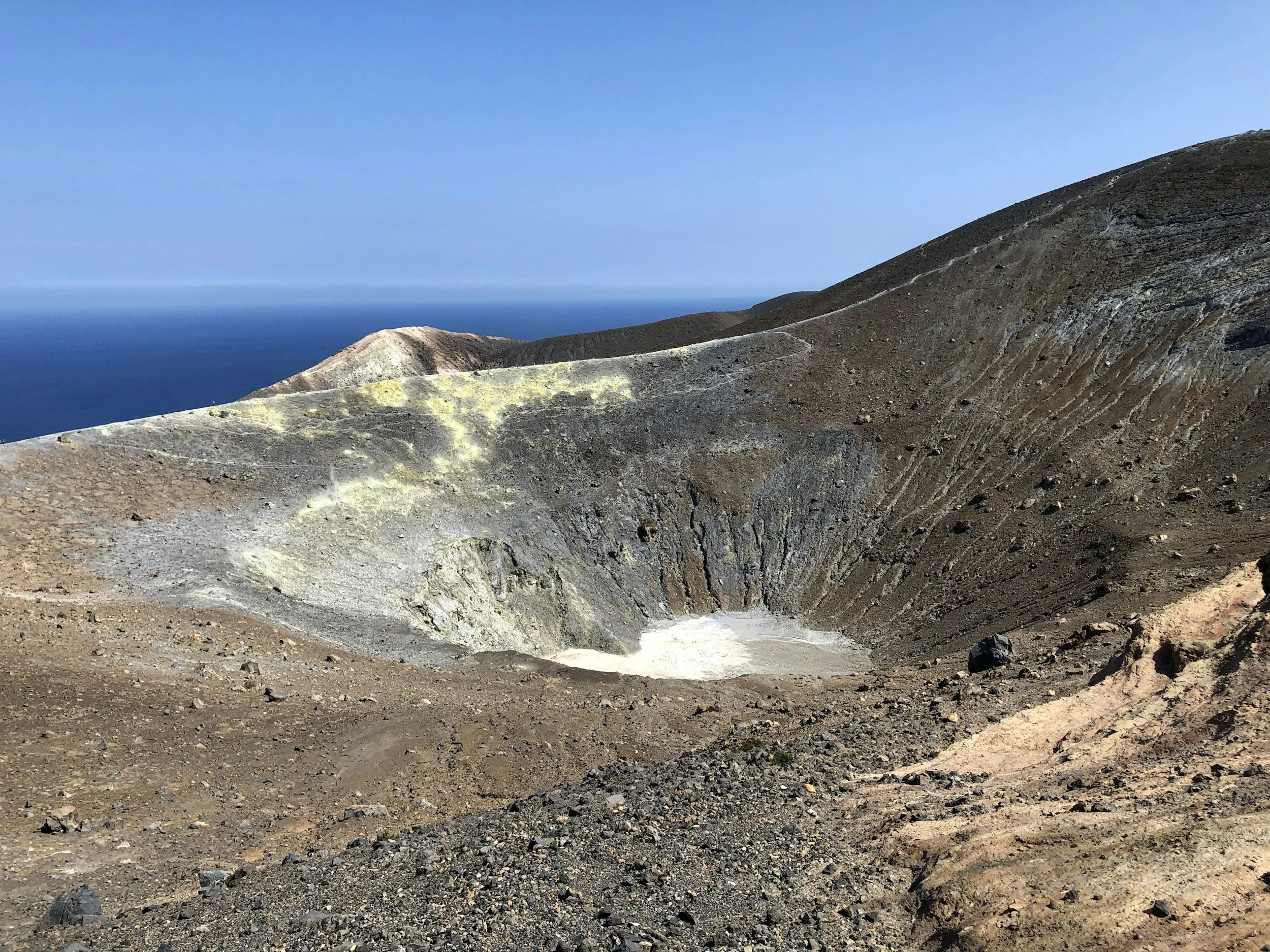
Vulcano is where the very word “volcano” originates. The ancient Romans believed Vulcan, the god of fire and metalworking, lived beneath this island, forging weapons for the gods.
The smell of sulfur often reaches visitors before they even arrive. Steam vents, fumaroles, bubbling mud pools, and volcanic gases create an environment that feels almost prehistoric.
Historically, sulfur mining was an important industry here, though conditions for workers were extremely harsh. Today, Vulcano is better known for its dramatic landscapes and volcanic activity.
The contrast between black volcanic beaches and intensely blue water is especially striking here. Many visitors also notice how different the islands smell from one another — Vulcano’s sulfuric air gives it an unmistakable identity.
Lipari
Lipari is the largest and busiest of the islands, historically serving as the cultural and commercial center of the archipelago.
For centuries, Lipari was famous for obsidian — volcanic glass used in prehistoric times to make tools, blades, and weapons. Thousands of years ago, obsidian from Lipari was traded across much of the Mediterranean, making these islands surprisingly important in ancient trade networks.
Today, Lipari combines island charm with a more lively atmosphere. Its harbor is lined with cafés, shops, fishing boats, and colorful buildings, while the old town climbs upward toward the historic castle and cathedral overlooking the sea.
Lipari offers perhaps the clearest sense of everyday island life in the Aeolians: fishermen returning in the morning, locals chatting in small piazzas, children swimming from docks, and ferries constantly connecting the islands together.
One of the most fascinating things about the Aeolian Islands is how isolated they remained for much of history. Until relatively recently, islanders depended heavily on fishing, agriculture, and whatever supplies could arrive by boat. This isolation helped preserve strong local traditions, dialects, recipes, and rhythms of life that still feel distinct today.
Food here is deeply connected to the sea and the volcanic landscape. Expect fresh seafood, swordfish, octopus, capers, tomatoes, lemons, wild herbs, olive oil, and simple dishes built around incredibly fresh ingredients. Granita for breakfast, long seafood dinners at sunset, and Malvasia wine in the evening are all part of island life.
A few fun things to know about the Aeolian Islands:
All seven main islands are volcanic in origin.
The islands are a UNESCO World Heritage Site because of their volcanic significance.
Stromboli has been erupting almost continuously for over 2,000 years.
Lipari’s obsidian was once one of the Mediterranean’s most valuable prehistoric materials.
Salina’s twin peaks are actually extinct volcanoes.
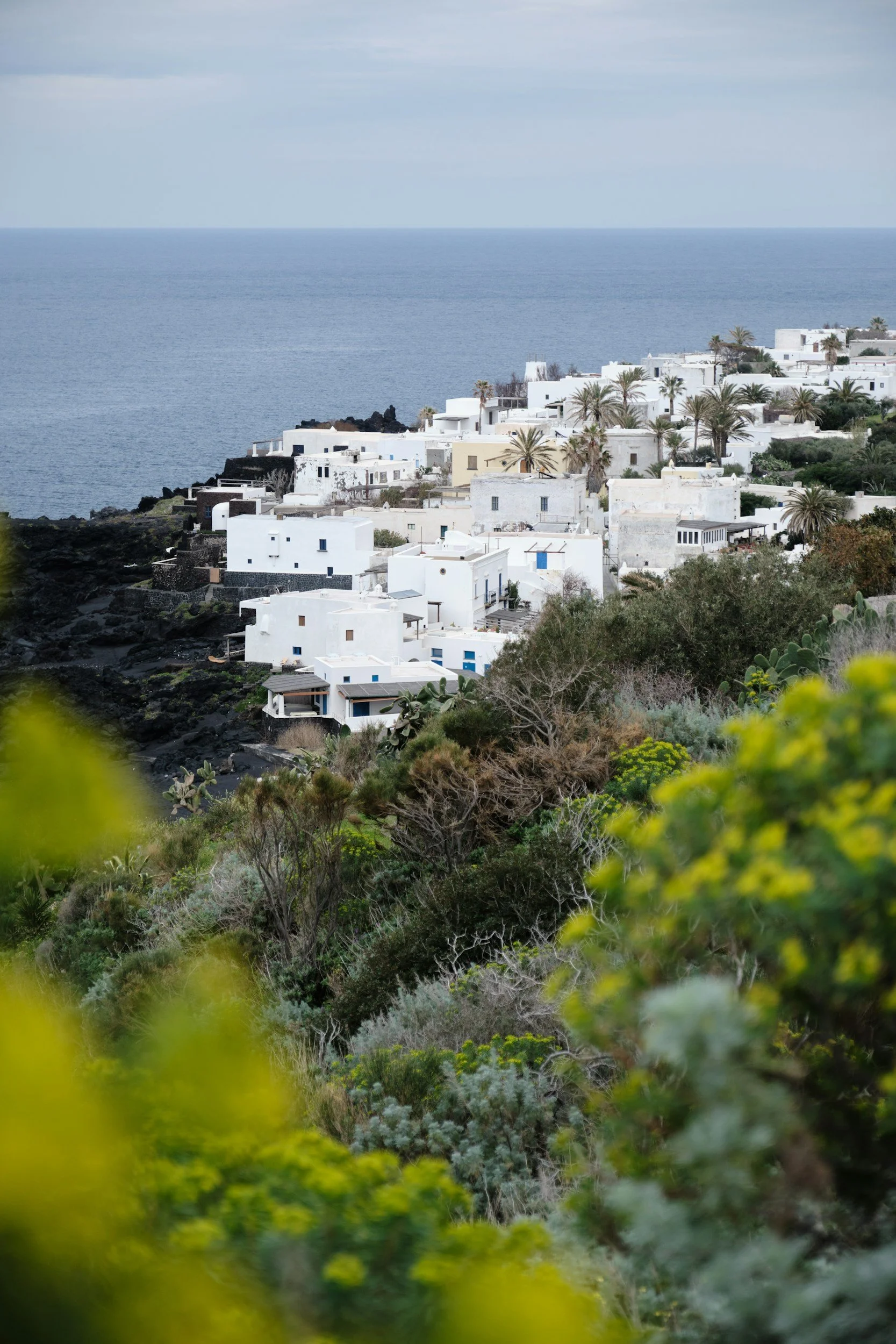
Many Aeolian houses are painted white to reflect heat and stay cooler during the intense summer months.
Traditional Aeolian architecture often includes large shaded terraces designed to capture sea breezes.
The Aeolian Islands are not really about rushing from sight to sight. They are about atmosphere: salty air, volcanic silhouettes at sunset, boat rides between islands, slow dinners, morning swims, and the feeling of being slightly removed from the rest of the world.