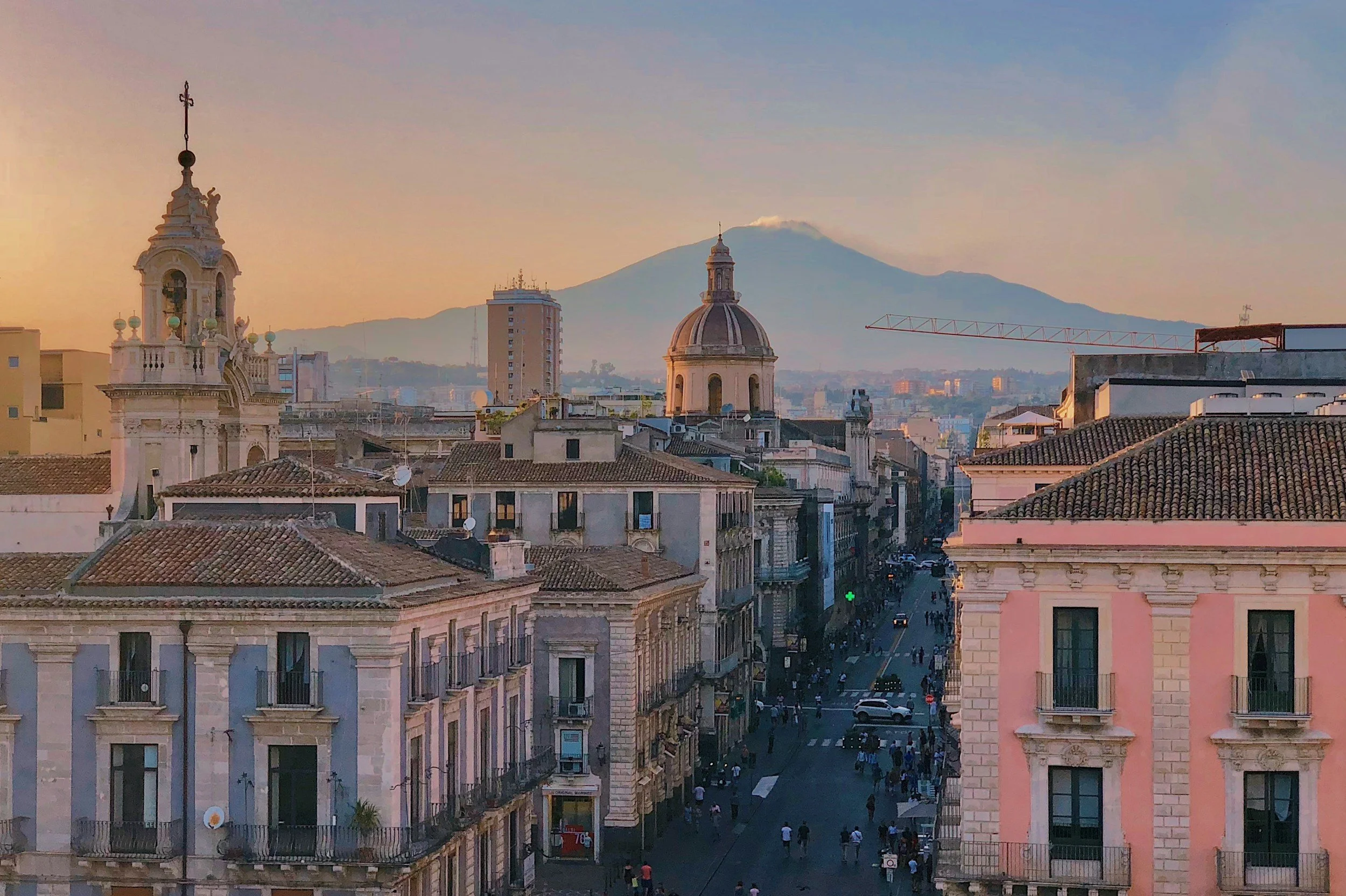
Catania
If Taormina feels elegant and romantic, and Syracuse feels ancient and layered, then Catania feels alive.
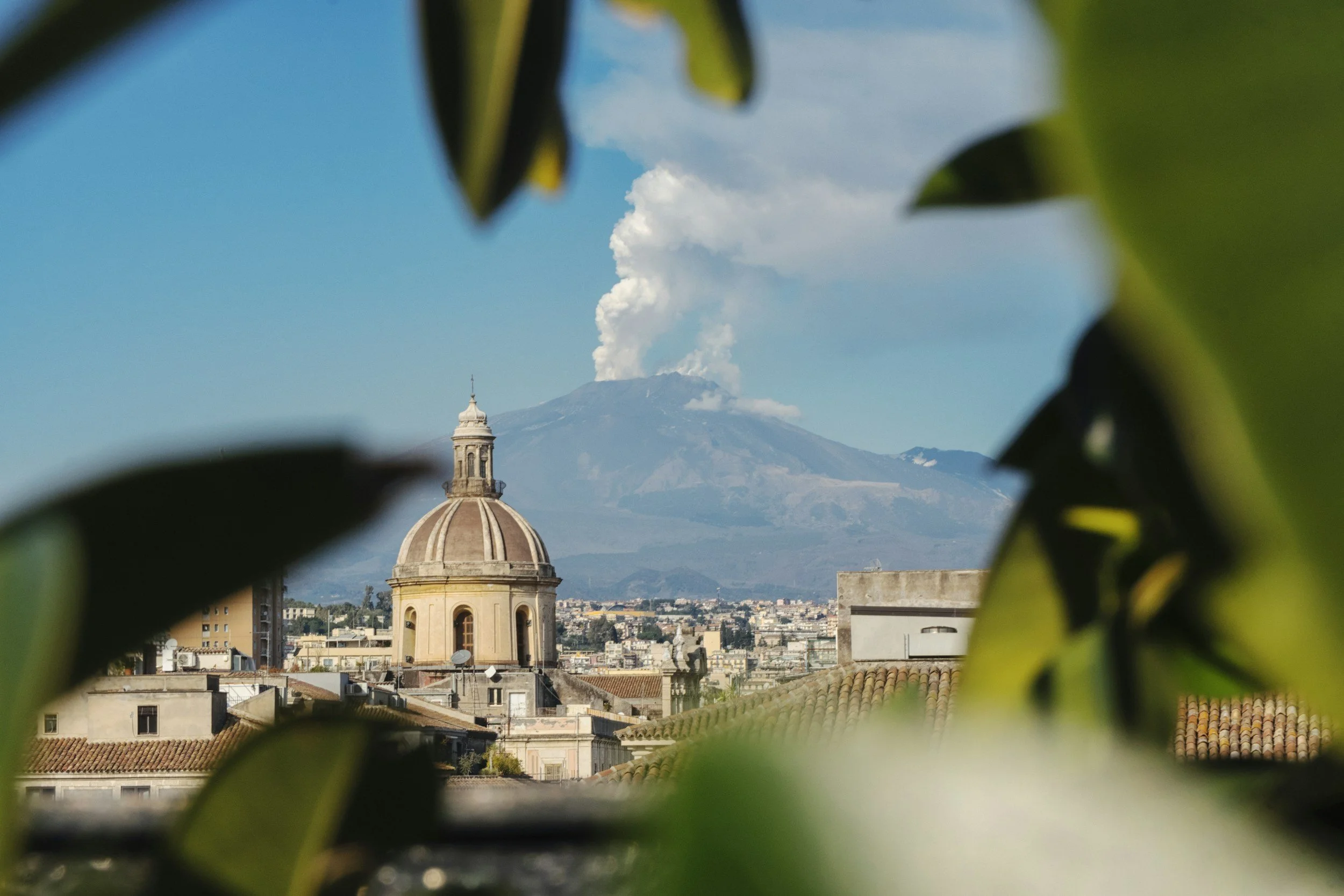
Catania is Sicily at full volume: energetic, chaotic, proud, gritty, beautiful, and constantly moving. Built at the foot of Mount Etna, the city has spent centuries living in the shadow of Europe’s most active volcano. Etna has destroyed parts of Catania multiple times through eruptions and earthquakes — and each time, the city rebuilt itself.
That relationship with Etna defines much of Catania’s character. The city is resilient. There is a feeling here that life is meant to be fully lived because nature itself is unpredictable.
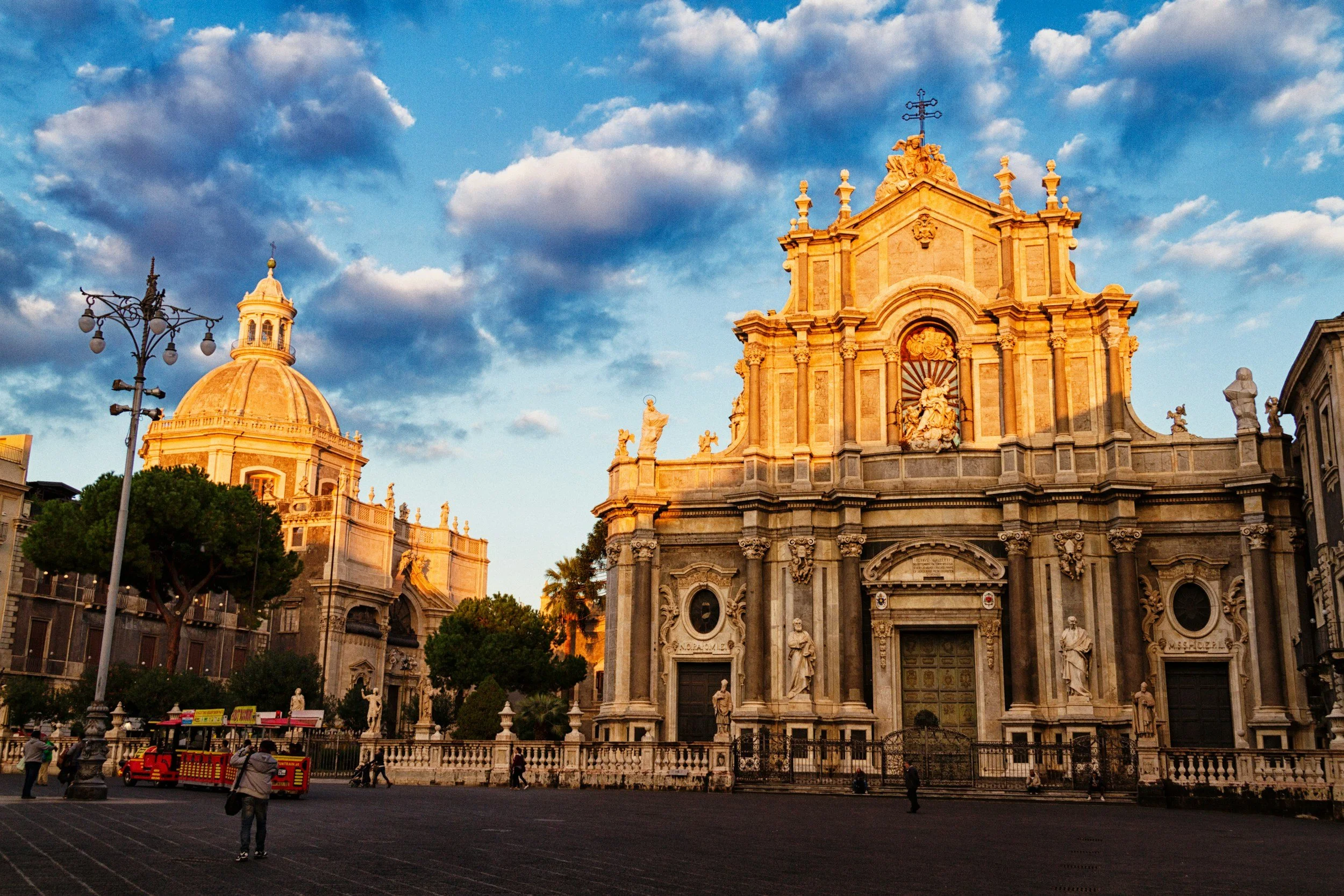
One of the first things people notice about Catania is the color of the city. Much of the historic center was rebuilt after the catastrophic earthquake of 1693 using dark volcanic lava stone from Etna itself. The result is a city that feels visually different from much of Italy — grand Baroque architecture mixed with black volcanic stone, creating a dramatic contrast against the bright Sicilian sunlight.
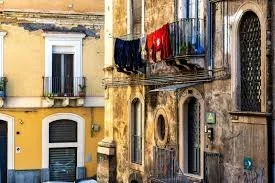
Catania is also less polished than some other Sicilian destinations, and that is part of its charm. Laundry hangs between balconies. Scooters weave through narrow streets. Fish vendors shout across crowded markets. Tiny cafés sit beside elegant churches. The city feels intensely local and authentic.
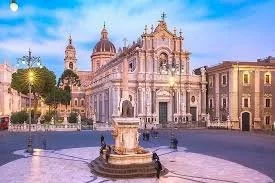
At the heart of the city is Piazza del Duomo, the city’s main square and gathering place. Here stands one of Catania’s most famous symbols: the Fontana dell'Elefante, a lava-stone elephant statue carrying an ancient Egyptian obelisk on its back.
Nobody knows exactly why an elephant became the symbol of Catania, though local legends grew around it over time. Locals affectionately call it “Liotru,” and it has become a symbol of protection and resilience for the city.At the heart of the city is Piazza del Duomo, the city’s main square and gathering place. Here stands one of Catania’s most famous symbols: the Fontana dell'Elefante, a lava-stone elephant statue carrying an ancient Egyptian obelisk on its back.
Nobody knows exactly why an elephant became the symbol of Catania, though local legends grew around it over time. Locals affectionately call it “Liotru,” and it has become a symbol of protection and resilience for the city.
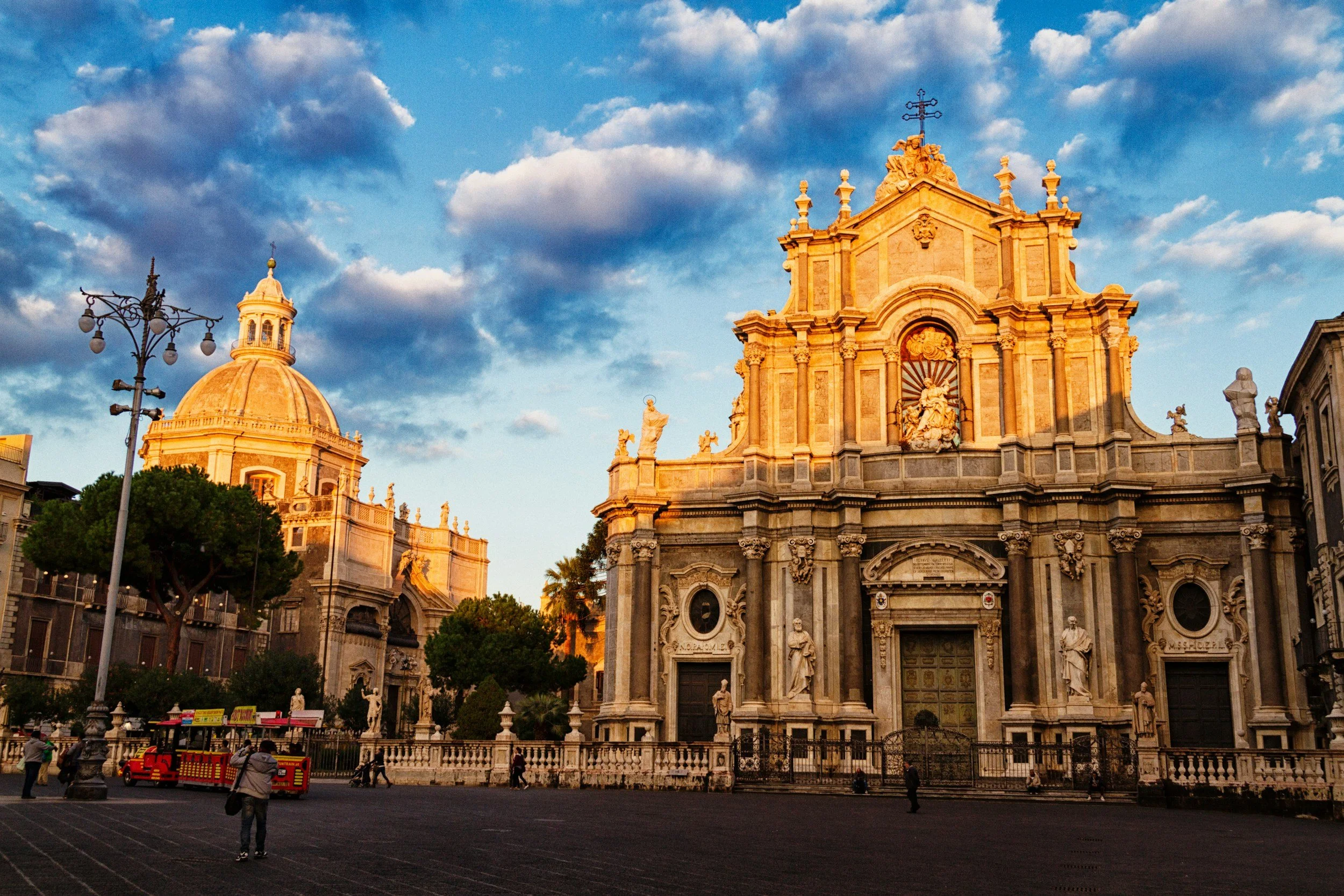
Nearby is the magnificent Catania Cathedral, dedicated to Saint Agatha, the patron saint of Catania. Saint Agatha’s story is deeply important to the city, and every February Catania hosts one of the largest religious festivals in Italy in her honor. The festival combines devotion, enormous crowds, fireworks, processions, and a level of energy that feels distinctly Sicilian.
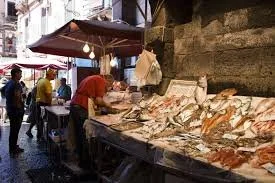
One of the best places to experience the true spirit of Catania is the La Pescheria, the city’s famous fish market. This is not a quiet or delicate market experience. Vendors loudly advertise swordfish, tuna, sea urchins, octopus, clams, and every imaginable type of seafood while locals negotiate prices in rapid Sicilian dialect. It is loud, theatrical, messy, and unforgettable — more performance than shopping experience.
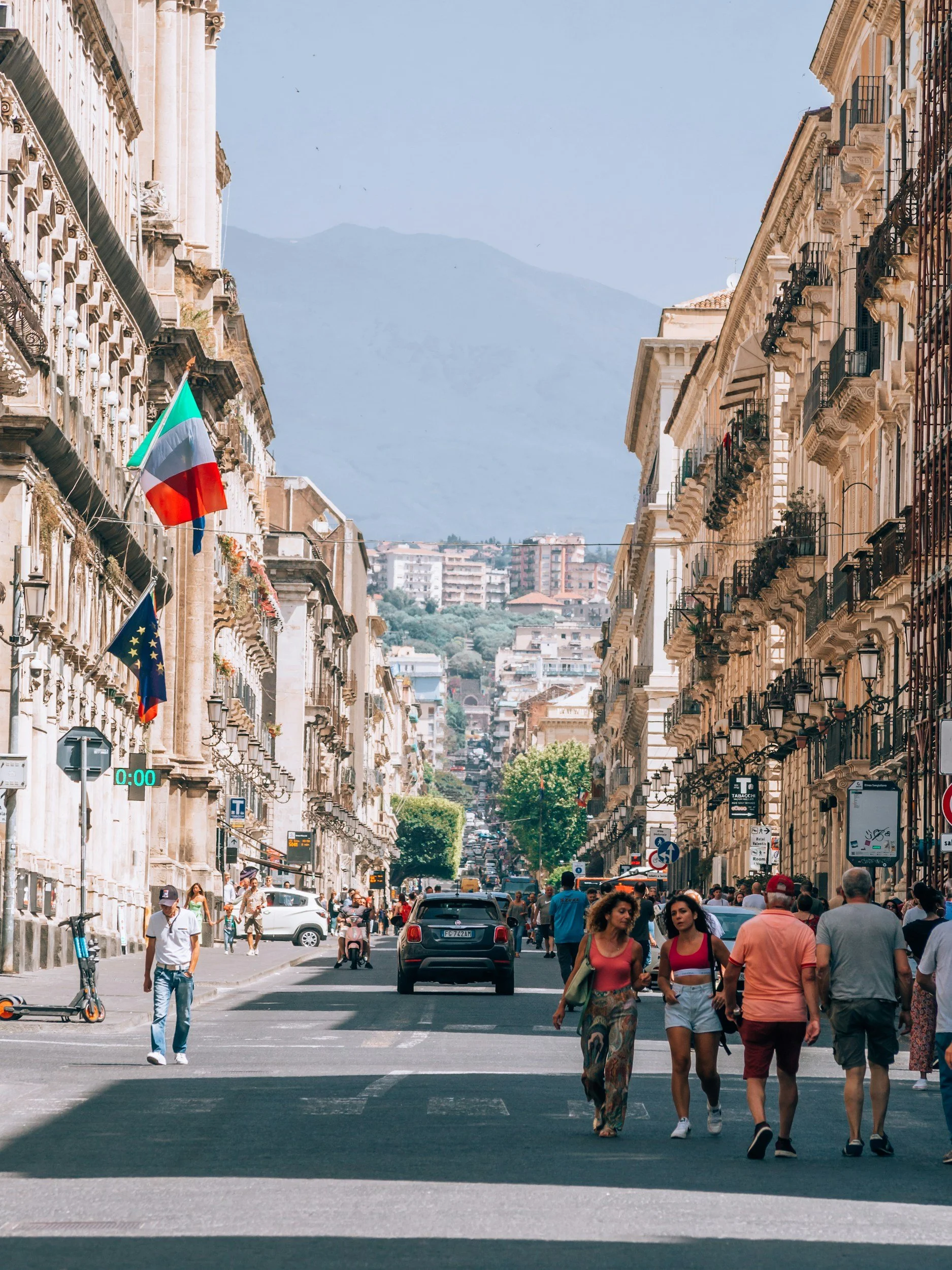
Shopping in Catania is wonderfully varied. Elegant boutiques sit beside old family-run stores, open-air markets, tiny bakeries, and shops selling ceramics, local wines, olive oil, linen clothing, and Sicilian specialties. The main shopping streets around Via Etnea are ideal for simply wandering without a strict plan.
And that is perhaps the best way to experience Catania: without rushing.
Unlike some cities that revolve around a checklist of monuments, Catania is more about atmosphere and energy. It is a place to stroll slowly, stop for aperitivo, sit in a piazza as the city changes from afternoon heat into lively evening, and watch Sicilian daily life unfold around you.
A few fun things to know about Catania:
Much of the city is literally built from lava stone from Etna.
Catania has been destroyed and rebuilt multiple times by eruptions and earthquakes throughout history.
The city’s patron saint festival for Saint Agatha draws hundreds of thousands of people every year.
Pasta alla Norma, one of Sicily’s most famous pasta dishes, originated here.
The nearby Etna region is now one of Italy’s most exciting wine-producing areas.
Catania’s historic center is a UNESCO World Heritage Site because of its Baroque architecture and post-earthquake urban planning.