
Mount ETNA
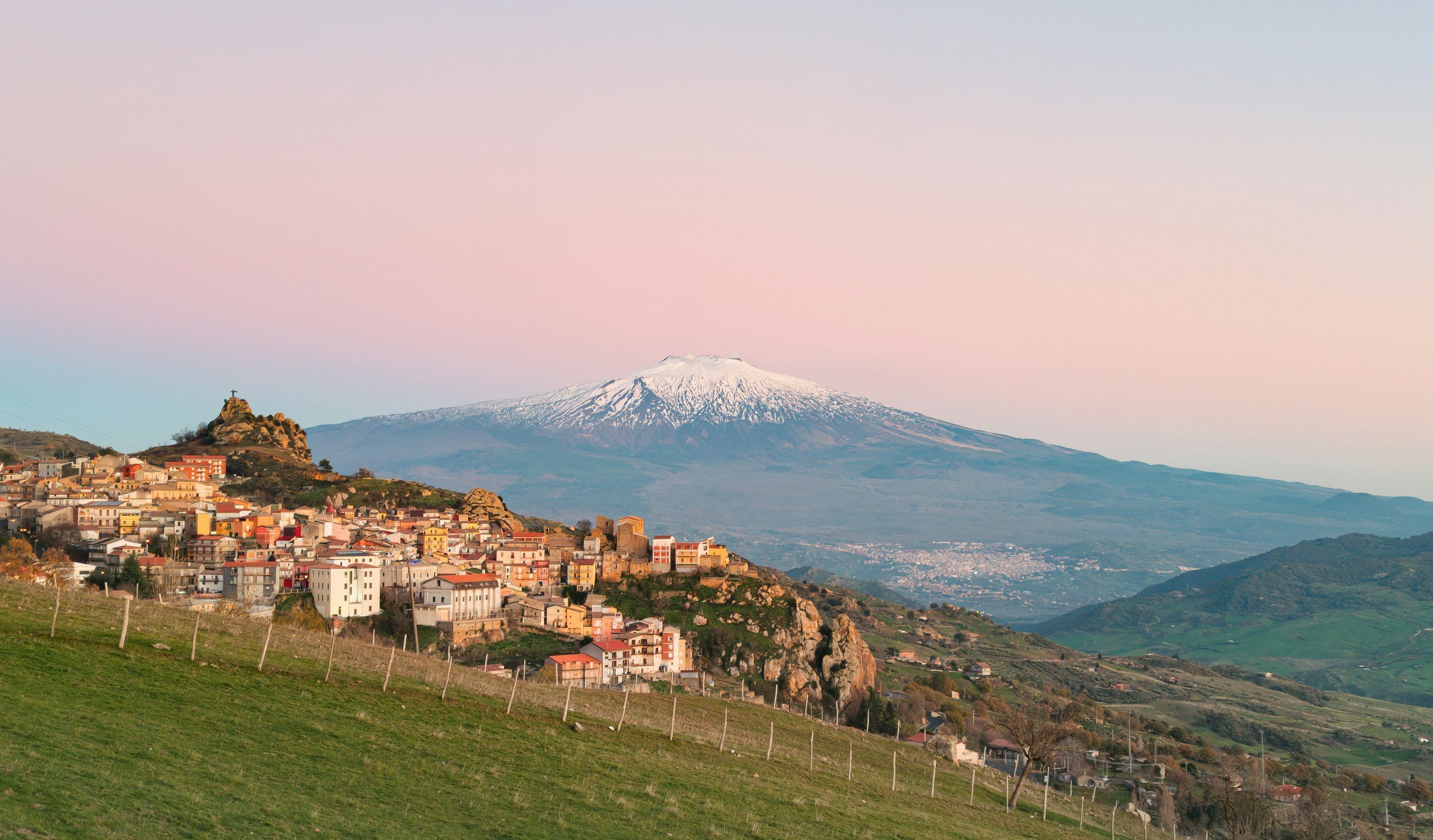
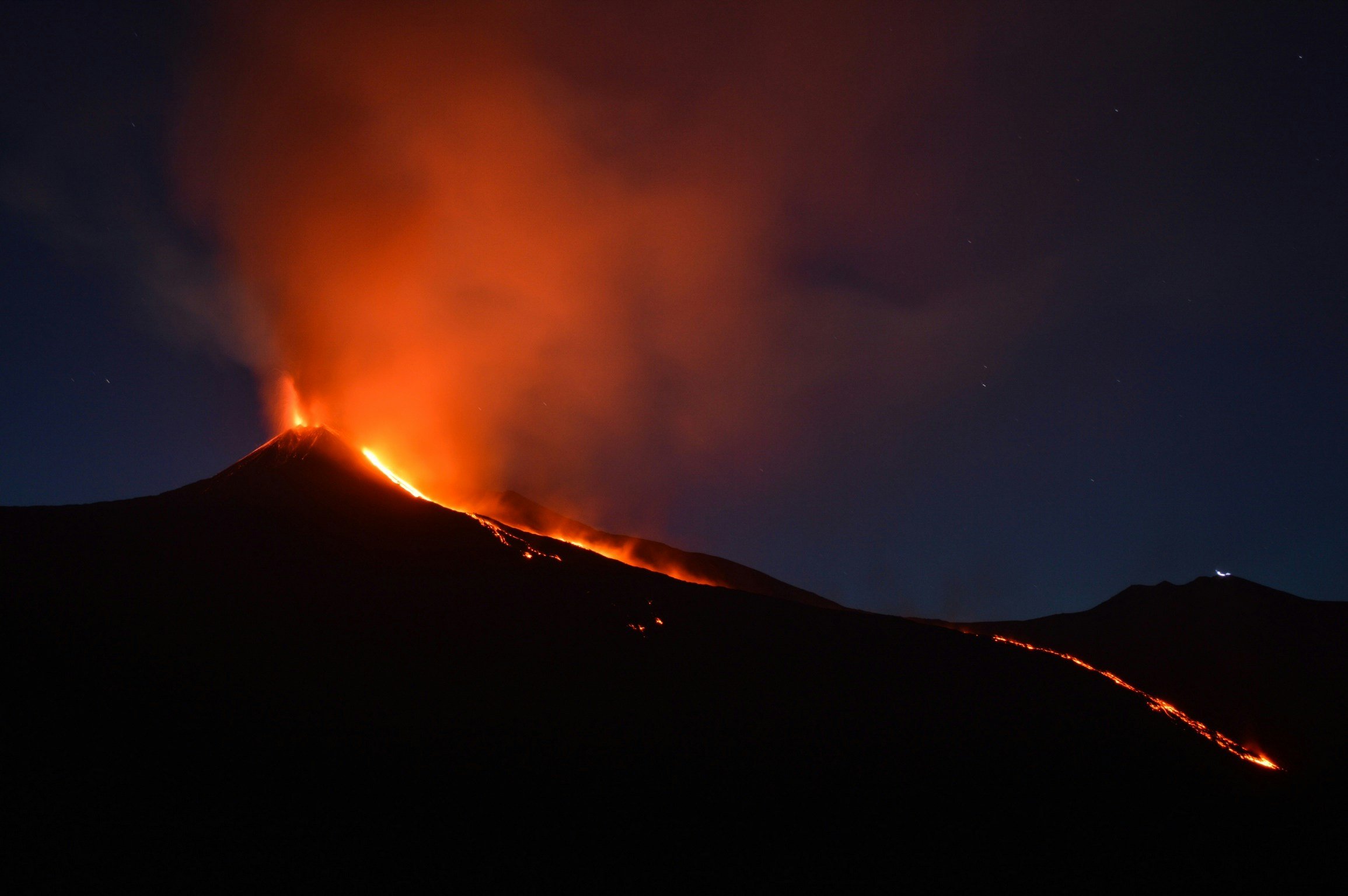
Rising above eastern Sicily like its own weather system, Mount Etna is not just a mountain — it is a living force that has shaped the island for thousands of years. At over 3,300 meters (10,900 feet), Etna is the highest active volcano in Europe, though its exact height changes constantly as eruptions reshape the summit.
The ancient Greeks believed giants lived beneath the volcano. According to mythology, the monster Typhon was trapped under the mountain by Zeus, and Etna’s eruptions were the result of his anger and movement underground. Others believed the god Hephaestus had his forge here, crafting weapons for the gods deep beneath the lava fields. Standing on the slopes of Etna today, surrounded by black volcanic rock and clouds of steam, it is easy to understand why ancient civilizations imagined something supernatural living here.
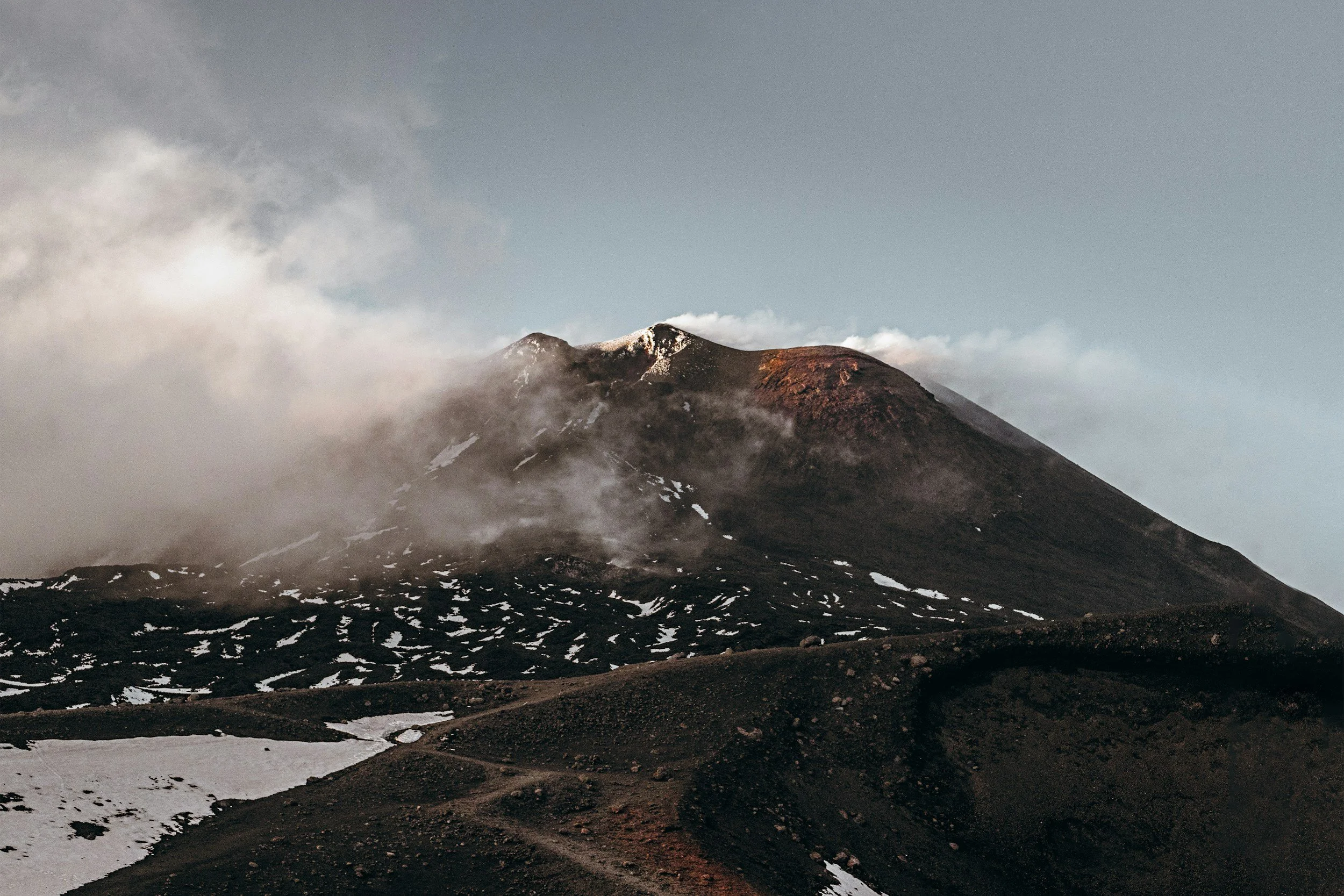
But Etna is not simply a relic of mythology — it is one of the most active volcanoes on Earth. It erupts regularly, sometimes dramatically, sometimes quietly, constantly reminding Sicily that the landscape here is still being created in real time. Entire villages throughout history have been threatened, buried, rebuilt, and adapted around the volcano’s rhythms.
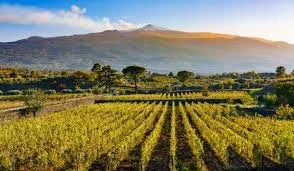
And yet, despite its danger, Sicilians have always stayed close to Etna. The reason is simple: volcanic soil creates extraordinary fertility. The mountain produces some of Sicily’s best wine, pistachios, olives, almonds, citrus, and honey. Vineyards climb impossibly high up the slopes, growing from black lava rock that looks almost lunar. Many locals speak about Etna with a kind of respect that feels personal — not as an enemy, but as a powerful and unpredictable neighbor.
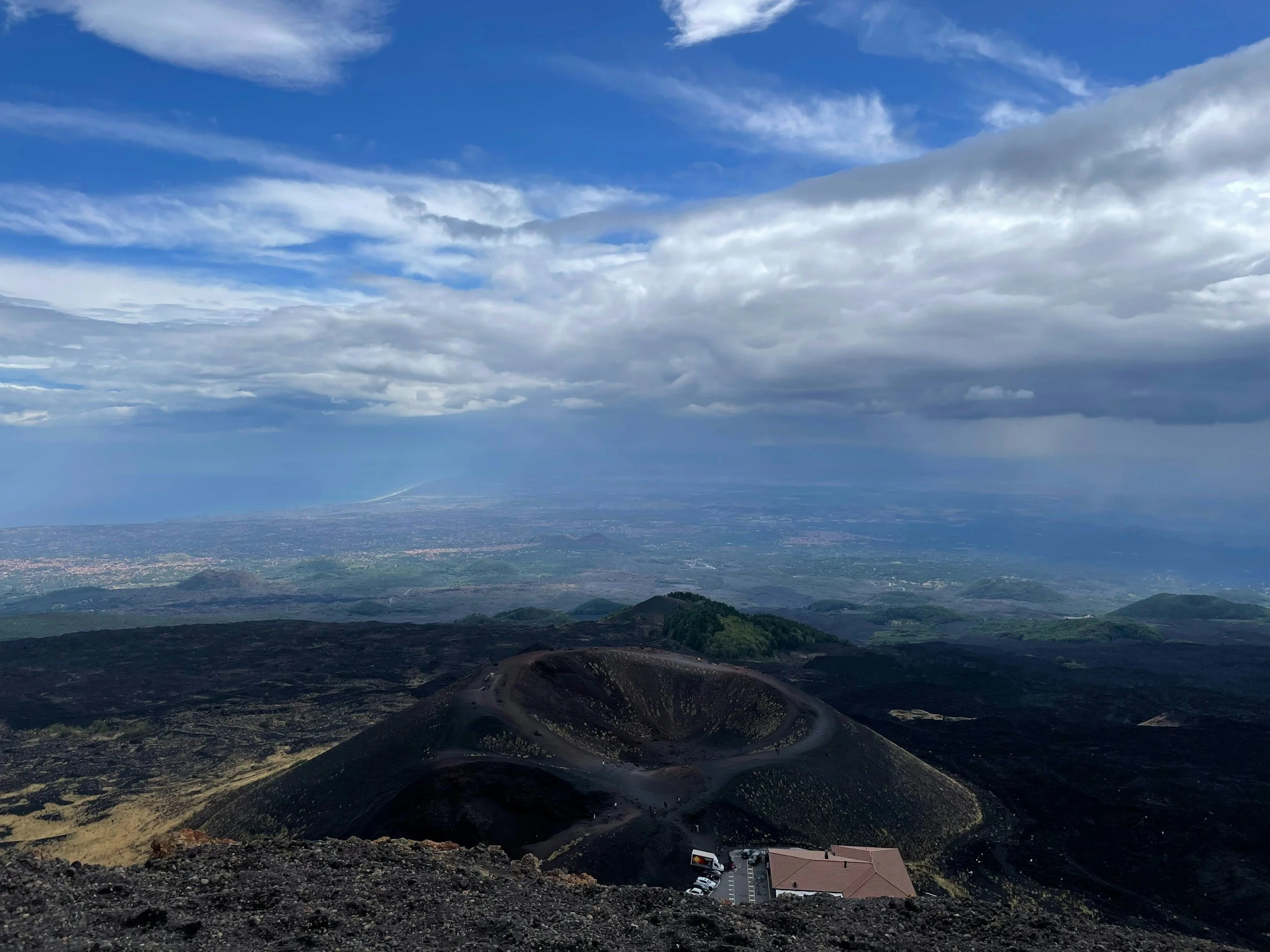
As we hike higher, the landscape changes dramatically. Lower elevations are green and surprisingly lush, filled with forests, vineyards, and old lava stone villages. But higher up, vegetation begins to disappear. The terrain becomes darker, rougher, quieter. Lava fields stretch in every direction. Craters, ash, and hardened rivers of basalt create an environment that feels more like another planet than southern Italy.
The summit area itself is constantly changing. New craters form, old ones collapse, smoke vents open and close, and the ground beneath your feet is geologically young. In some places, the rock you walk on may only be decades old — incredibly recent in the lifespan of a mountain.
Etna also creates its own weather. Conditions can shift quickly: sunshine can become fog, wind, or cold temperatures within minutes. Snow is common in winter, and it is one of the few places in the world where you can ski while looking out toward the Mediterranean Sea.
One of the most remarkable things about Etna is the scale of the views. On clear days from higher elevations, you can see across much of eastern Sicily, the coastline, the Ionian Sea, and sometimes even all the way toward mainland Italy. The contrast is unforgettable: blue sea in one direction, black volcanic desert in the other.
A few interesting things to know before the hike:
Etna has been erupting for at least 500,000 years.
The volcano is so active that maps of the summit area often become outdated.
UNESCO designated Etna a World Heritage Site because of its scientific importance and ongoing volcanic activity.
The lava stone from Etna has been used for centuries to build homes, churches, roads, and entire towns across Sicily.
Some of the world’s most highly regarded volcanic wines are now produced on Etna’s slopes.
Locals often refer to the mountain simply as “Mamma Etna” — a sign of the strange affection many Sicilians feel toward it.
Hiking Etna is not just about reaching a summit. It is about walking through an active landscape that is still evolving beneath your feet. Few places in Europe feel this raw, elemental, and alive.