Sicily is the kind of place where every layer of history is still visible.
You taste it in the food, hear it in the dialect, see it in the architecture, and feel it in the pace of life. Sitting at the center of the Mediterranean, the island has spent thousands of years being conquered, traded with, fought over, and admired — and somehow, instead of losing its identity, it absorbed pieces of every civilization that passed through.
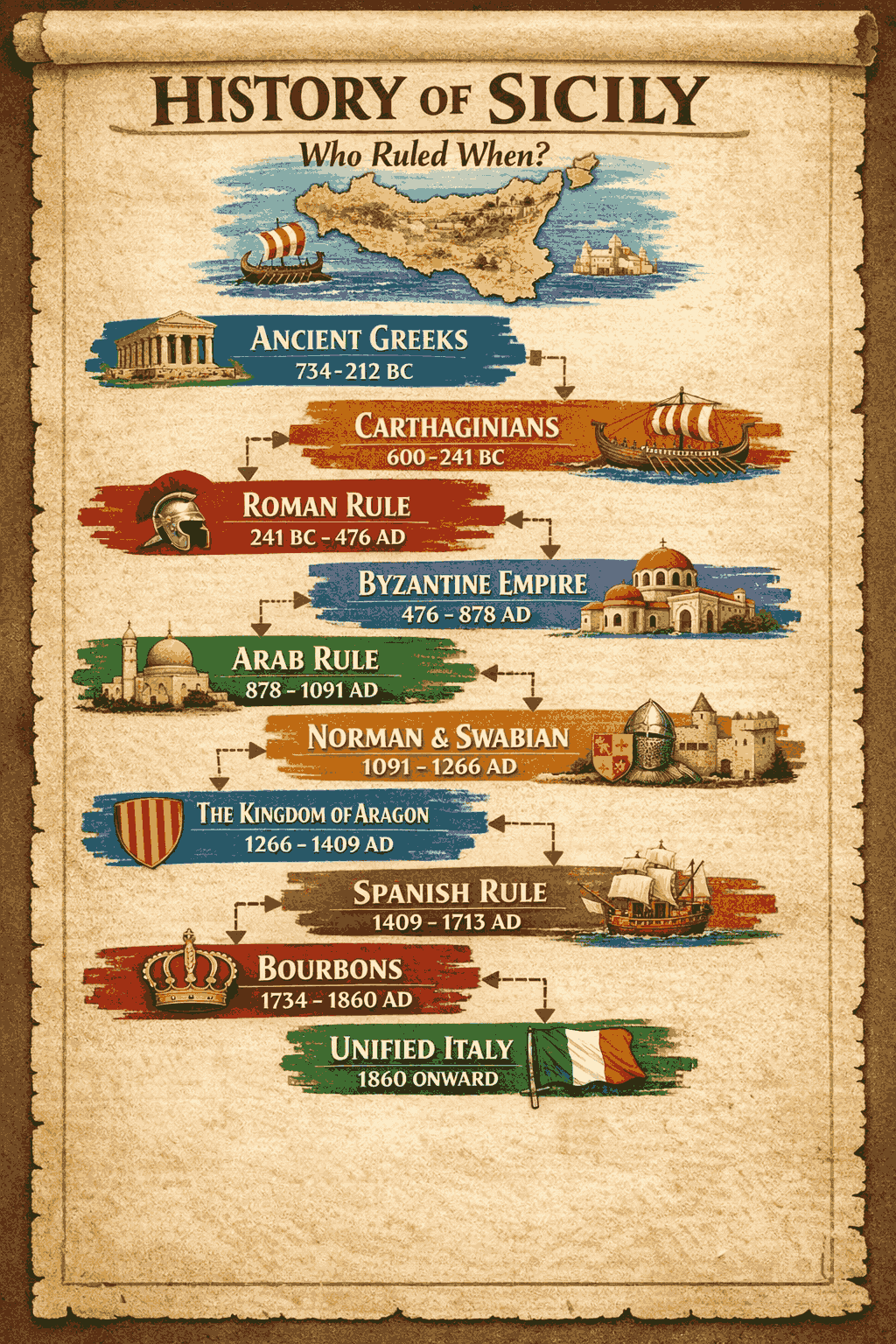
Long before Italy existed as a country, Sicily was one of the most important crossroads in the ancient world. The Greeks arrived around the 8th century BC and built prosperous cities along the coast, including what is now Syracuse, which became one of the most powerful cities in the Mediterranean. At one point, Syracuse rivaled even Athens in wealth and influence. The famous mathematician Archimedes was born there, and according to legend, he was killed during a Roman invasion while still working on mathematical drawings in the sand.
After the Greeks came the Romans, who transformed Sicily into the “breadbasket of Rome.” Vast fields of wheat supplied the empire, and Sicily became essential to feeding ancient Rome. But the island’s story did not stop there. Over the centuries, Sicily was ruled by Byzantines, Arabs, Normans, Spanish, French, and others — each leaving behind something lasting.
One of the most fascinating chapters was the Arab period, beginning in the 9th century. The Arabs introduced advanced irrigation systems, citrus fruits, almonds, sugar cane, pistachios, and many of the flavors that still define Sicilian cuisine today. Things we now think of as deeply Sicilian — lemons, orange groves, marzipan sweets, granita — all carry traces of Arab influence. Even some Sicilian words come from Arabic roots.
Then came the Normans from Northern Europe, who created one of the most culturally blended kingdoms in medieval Europe. In Sicily, Arab engineers, Byzantine artists, and Norman rulers worked side by side. The result was an extraordinary fusion of styles that still feels uniquely Sicilian: mosaics with golden Byzantine imagery inside churches influenced by Islamic architecture, all commissioned by Norman kings.
Sicily
Sicily’s culture today still reflects this mixture. Sicilians often describe themselves as Sicilian first and Italian second — not out of separation, but because the island has such a strong and distinct identity. The dialect sounds different from mainland Italian, the food is different, the rhythms are different, and family traditions run incredibly deep.
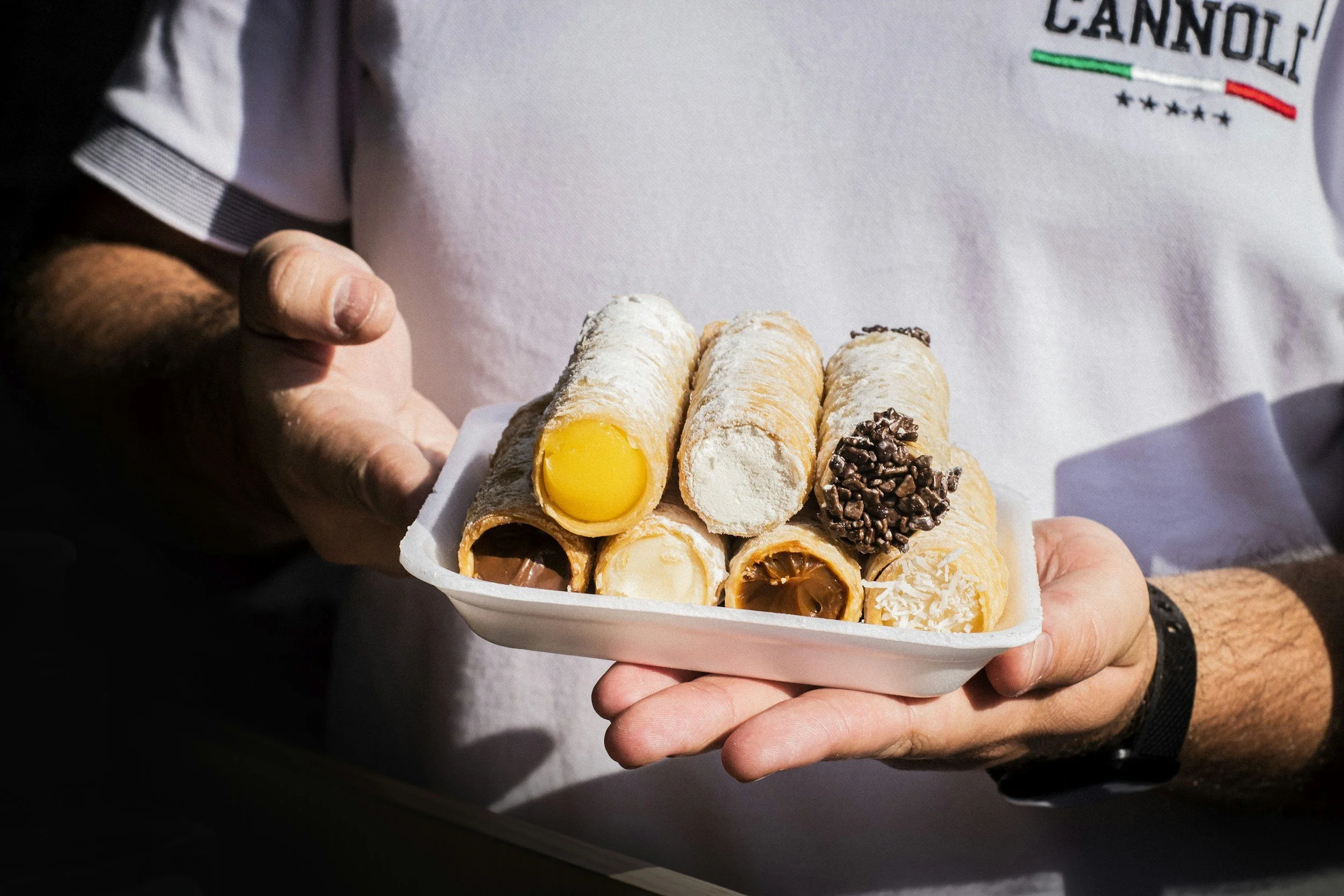
Food in Sicily tells the story of the island better than almost anything else. Every culture that arrived left something behind. Eggplant, saffron, cinnamon, couscous, olives, seafood, ricotta, pistachios, and citrus all appear constantly in Sicilian cooking. Even the famous arancini — fried rice balls — are believed to have roots connected to Arab rice dishes. And desserts here are practically an art form: cannoli, cassata, almond pastries, and granita are all part of daily life, not just special occasions.
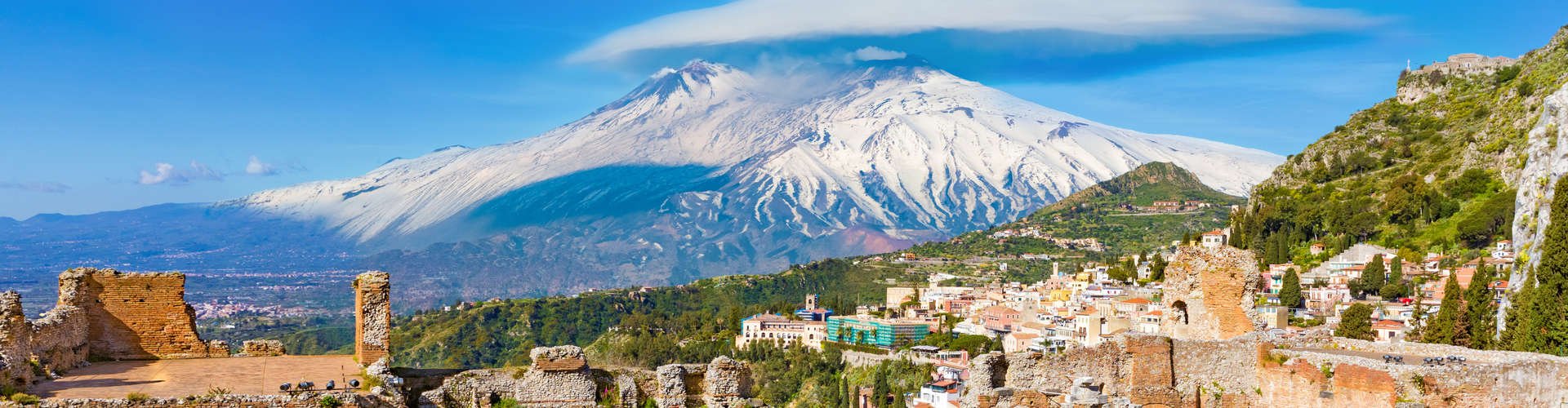
There is also something wonderfully dramatic about Sicily. Life happens outdoors. Markets are loud. Conversations are animated. Churches tower over tiny alleyways. Laundry hangs between balconies. Ancient ruins sit beside modern cafés. And above it all is Mount Etna — Europe’s largest active volcano — constantly reminding everyone that nature is still in charge here.
Etna itself has shaped Sicilian life for thousands of years. Its eruptions can be destructive, but the volcanic soil is incredibly fertile, producing exceptional wine, pistachios, olives, and citrus. Sicilians have learned to live with the volcano not as an enemy, but almost as a powerful neighbor with an unpredictable personality.
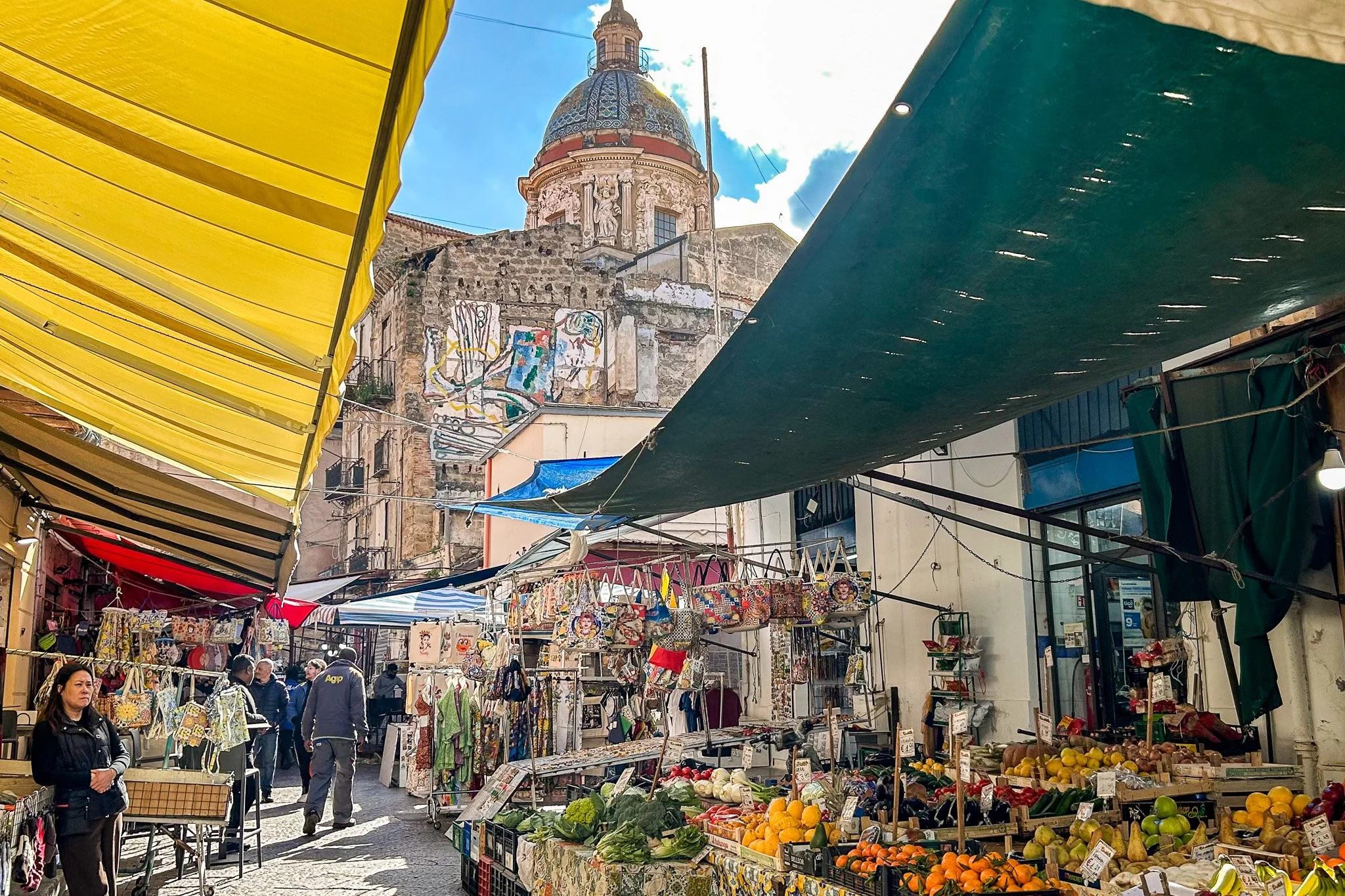
A few fun facts about Sicily:
Sicily is the largest island in the Mediterranean.
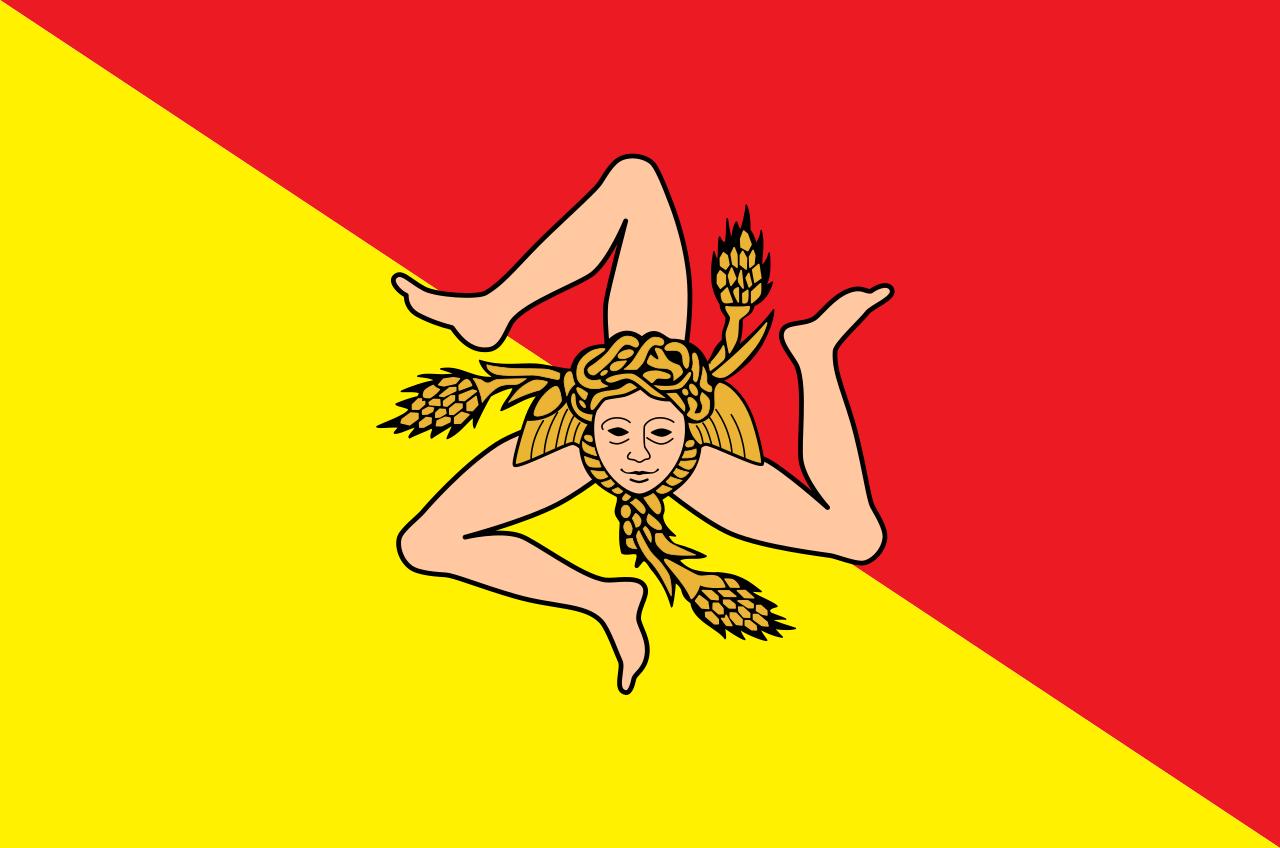
The Sicilian flag is one of the oldest regional flags in Europe and features the Trinacria — a symbol with three bent legs representing the island’s triangular shape.
Sicilian opera-loving audiences were once so passionate that poor performances could reportedly trigger shouting matches or flying vegetables.
The island has appeared in countless films, including scenes from The Godfather, although much of the movie’s “Sicily” was actually filmed in small hill towns far from the famous tourist centers.
Sicily produces some of Italy’s most exciting wines, especially around Etna, where vineyards grow directly on volcanic slopes.
In many Sicilian towns, people still gather every evening for the passeggiata — a slow evening walk through town where socializing is the main event.
What makes Sicily so memorable is that it never feels polished in the way some destinations do. It feels layered, lived-in, emotional, and real. Ancient history is not confined to museums here — it’s built into daily life. A normal afternoon might involve walking past a Greek temple, eating pastries influenced by Arab recipes, hearing church bells from a Norman cathedral, and ending the evening with wine grown in volcanic soil.
Sicily does not just have history — it feels like history kept going.